
Inside Gigi Hadid’s Most Iconic Met Gala Looks Through the Years
November 13, 2025


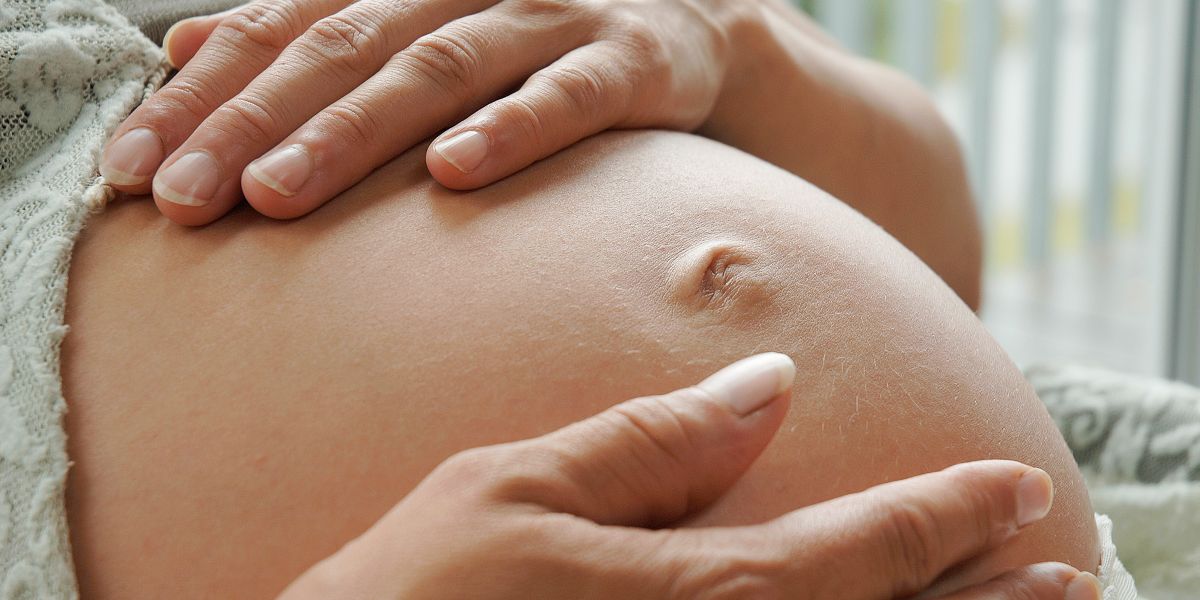

There is a growing trend among older women nowadays choosing to start families much later in life. If you're thinking about doing the same, here's what you should know about getting pregnant at 45.
It's natural to worry about getting pregnant if you are past what experts consider your most fertile years — generally below age 35. Research has shown that as you grow older, your chances of naturally conceiving decrease.

A doctor performing an ultrasound on a pregnant woman | Source: Getty Images
However, with recent advances in infertility treatments, there has been a steady rise of women over 45 being able to fall pregnant. In fact, according to the Centers for Disease Control and Prevention (CDC), the birth rate among women ages 45 to 49 has increased by 12%.
"We've had enormous advances in reproductive endocrinology and infertility treatments, and that has given many women more options," says Dr. Mary D'Alton, obstetrician and gynecologist-in-chief at NewYork-Presbyterian and Columbia.
If you're considering starting a family later in life and wondering what your chances are, here's what you should know.

A pregnant older woman sitting with her laptop and laundry basket on a couch | Source: Getty Images
You're born with about two million eggs, which is all you'll ever have in your lifetime. Your biological clock starts ticking when you get your first period and keeps going until menopause.
By that time you get your first period, your egg count will have dropped to around 300,000, and only a small portion will be healthy enough to fertilize. Over your reproductive years, you'll ovulate about 500 times, and with each passing decade, the number of viable eggs decreases.

A woman listening to her doctor | Source: Getty Images
Here's a breakdown of how your chances of conceiving change with age:

A pregnant woman standing in front of a window | Source: Getty Images
Getting pregnant after 45 can be challenging, but it's not impossible. At this age, fertility naturally declines as both egg count and quality decrease. That's where assisted reproductive technologies (ART) come in, giving you a better chance of conceiving with medical support.
Here are the most common options:

A gynaecologist performing an ultrasound on a pregnant woman's belly | Source: Getty Images
Once you've explored your options, the next step is to talk to your doctor. According to Dr. D'Alton, it's essential to meet with an OB-GYN or maternal-fetal medicine specialist before trying to conceive.
Your doctor will review your overall health — including diet, exercise, and chronic conditions like high blood pressure — and help determine the safest, most effective fertility plan for you.

A pregnant woman talking to her doctor | Source: Getty Images
While modern fertility treatments and attentive prenatal care make it possible for many women over 45 to conceive, pregnancy at this age carries a higher risk of complications.
You may be more likely to experience:
These risks don't mean you can't have a healthy pregnancy—just that you'll need extra care and attention throughout. With the right medical support and lifestyle choices, many women in their late 30s and 40s go on to have safe, successful pregnancies.

The information in this article is not intended or implied to be a substitute for professional medical advice, diagnosis or treatment. All content, including text, and images contained on WomanlyLive.com, or available through WomanlyLive.com is for general information purposes only. WomanlyLive.com does not take responsibility for any action taken as a result of reading this article. Before undertaking any course of treatment please consult with your healthcare provider.
Inside Gigi Hadid’s Most Iconic Met Gala Looks Through the Years
November 13, 2025

How to Protect Your Peace and Prioritize Yourself in Your 30s
November 12, 2025

The Quiet Power of Journaling: 3 Reasons It Changes More Than You Think
November 11, 2025

Travel with Intention — Adventures That Nourish the Soul, Not Just the Feed
November 10, 2025

Love, Dating, and Relationships in Your 30s — What Really Matters Now
November 10, 2025

Hollywood’s Finest Shine at the Baby2Baby Gala — See the Best Celebrity Styles
November 10, 2025

Laser Skin Resurfacing: How It Works, Benefits, and What to Expect
November 09, 2025

Navigating Motherhood, Career, and Self-Discovery in Your 30s
November 08, 2025

Intermittent Fasting: What It Is, How It Works, and Why It’s Gaining Popularity
November 07, 2025

Emma Stone’s Plastic Surgery Rumors: What the Experts Are Saying
November 06, 2025

Stars Who Stole the Show in Stunning Mesh Gowns at the LACMA Gala
November 06, 2025

Becoming Your Best Self in Your 30s — Redefining Success on Your Own Terms
November 06, 2025

Microdermabrasion 101: Everything You Need to Know Before Your First Treatment
November 05, 2025

The Shades of Sophistication — Colors That Exude Instant Elegance
November 05, 2025